
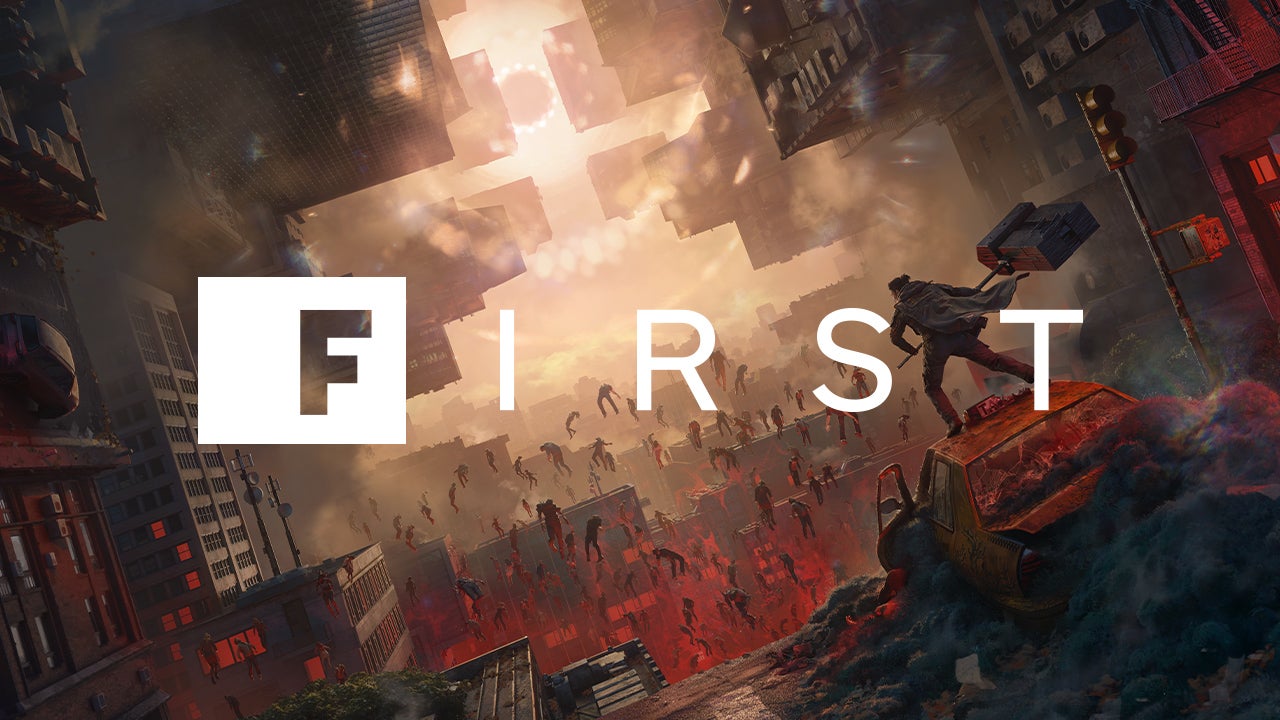
I first played Control Resonant back in June, having made my way through the same couple of hours as my colleague, Mitchell Saltzman, detailed in first preview
. Much like him, I had a great time getting to grips with the series’ newfound melee systems, hacking and slashing away at the Hiss threats that have broken out into the sequel’s open Manhattan. But I’ll admit that introduction did leave me a little wary of whether the dial may have been turned a little too much to the action side of things, and wondering if its open-world playground was merely there to serve as a place to grind XP and hone combat skills. As the studio steps further into the world of the action RPG, is it necessary to tread ground that won’t click with me in the same way Remedy’s previous games did?
So, I stepped into my exclusive two-hour-long demo of Control Resonant hoping to see more of what I love so much about Remedy’s output — unrivalled world-building, consistently surprising level design, and simply being shown things I haven’t seen before. Thankfully, I was not disappointed.
Its combat delivers a feel-good power trip in each encounter.
Over the course of my few hours with Resonant, I can’t say I ever felt anything approaching boredom with its combat, which consistently delivers a feel-good power trip in each encounter. Key to this is Remedy’s decision to kill off all minor grunts in an area after you’ve defeated the larger enemies within a horde. It helps keep the game’s momentum going, without bogging you down in battles that could otherwise outstay their welcome.
That relatively fleeting fight time means there’s no checkpointing. Instead, a slight reprieve is offered by a burst of healing, triggered by reducing a boss’s health bar down to a couple of predetermined points, each marked by a blue dot. It’s a really smart way of further encouraging that “attack is the best form of defense” mindset that runs through Resonant’s design, and a clever method of not flooding boss arenas with annoying smaller enemies who are there purely for you to farm health from. From my limited experience of the sequel’s biggest encounters, it really seems a step forward in terms of boss design for Remedy this time around.
But, as I said, despite being heavily influenced by action RPGs, there’s so much more to Control Resonant than combat. During my brief poke around New York, I stumbled across little puzzles to complete, scanning devices to turn on in order to reveal locations of other activities, and many, many pieces of world-building lore. That storytelling was most keenly felt in a visit to the city’s central FBC Field Office. Here I bumped into familiar faces from the first game, read classified documents relating to corrupting forces plaguing Manhattan, and even took part in the first few steps of a side mission relating to a corpse whose head had mysteriously exploded — just another day in the Federal Bureau of Control..