
This is an opinion piece from writer Tim Brinkhof, who loves challenging video games and has bested all of Black Myth: Wukong’s bosses (except Erlang, who continues to stand in the way of ultimate victory).
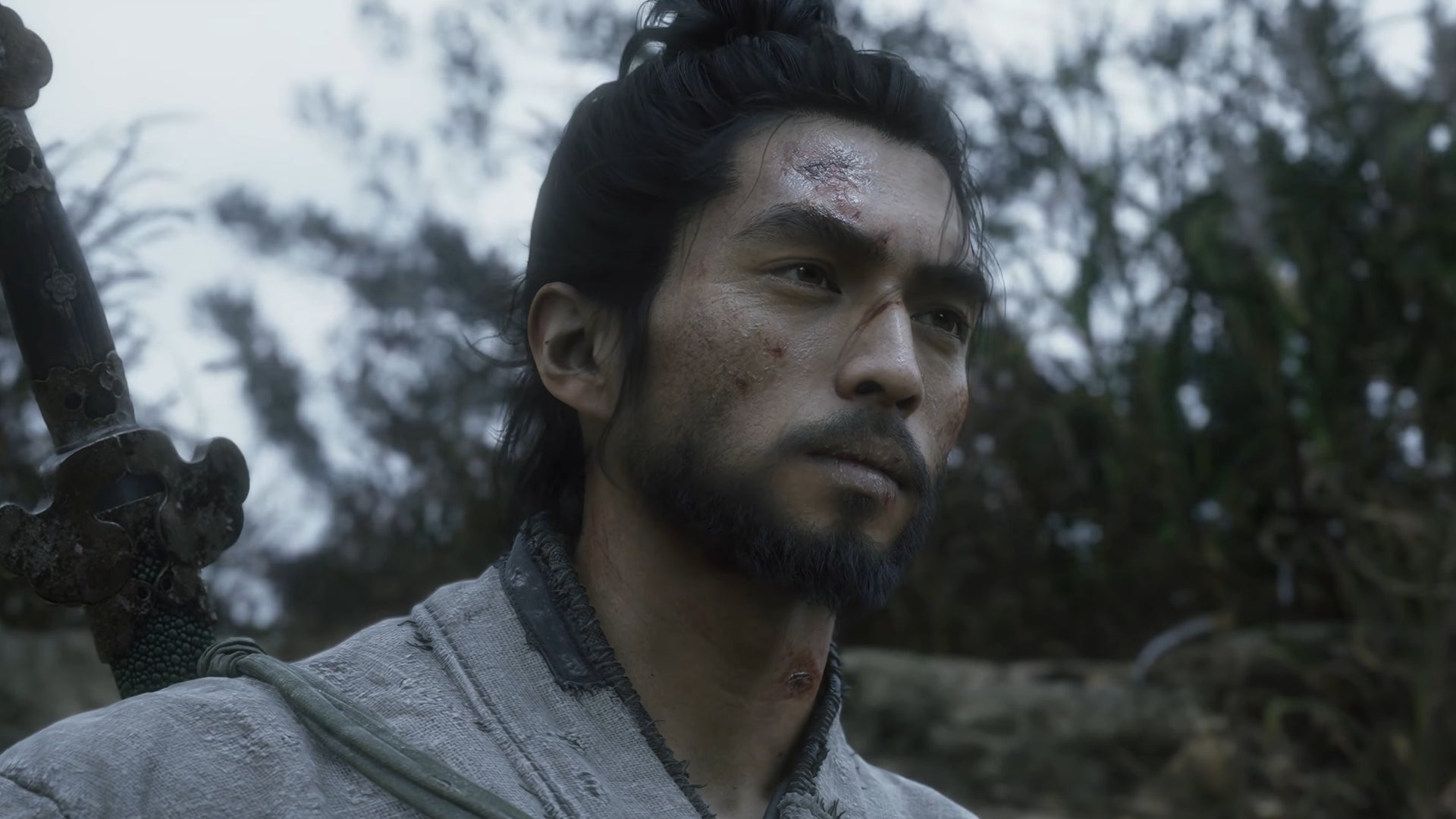
Black Myth: Zhong Kui is still years away. But if the recently released gameplay trailer provides an accurate impression of the final product, it seems we should expect the game to be a lot less epic than its predecessor, Black Myth: Wukong. As someone who adored the mythological scale and scope of developer Game Science’s triple-A debut, Zhong Kui’s grittier, muddier, more grounded approach initially struck me as disappointing. However, the more I think about it, the more I like it.
Based on many of the comments posted below the trailer, people largely seem pretty excited for Black Myth: Zhong Kui, which switches out Monkey King Sun Wukong for another beloved character from Chinese folklore, a demon hunter known as the “King of Ghosts.” But while I agree that the graphics look as stunning as ever and the combat – now featuring a welcome parrying mechanic – promises plenty of fun, the main thought that initially came to mind after watching the trailer was: “Wait…is that all?”
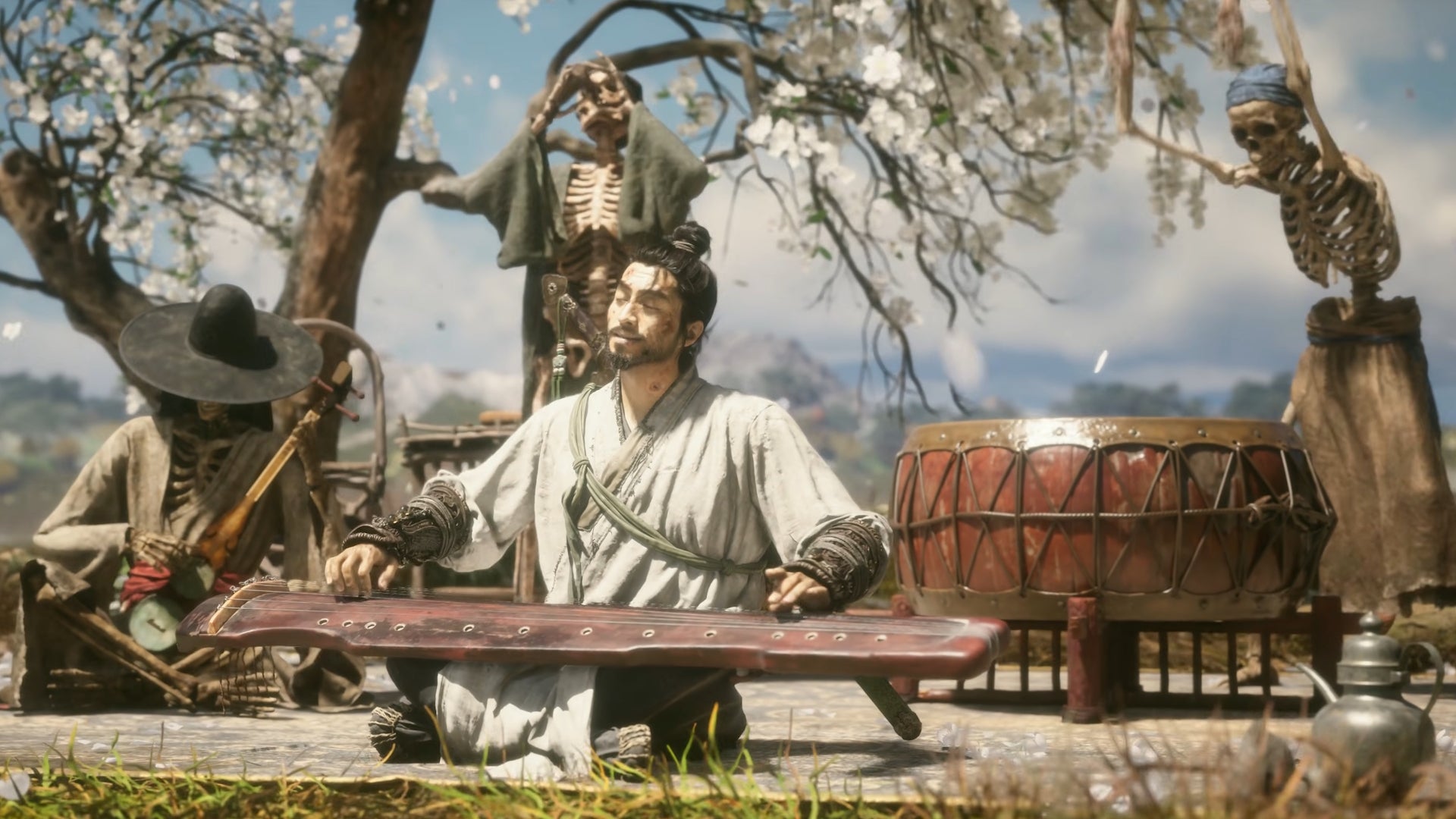
for confronting China’s collective traumas.
I’d even go as far as to argue Wukong’s story and characters made up for its at times lackluster design. Various sections which were downright frustrating to play through on a gameplay level – like the mud-soaked fight against a possessed Pigsy in Chapter Four – were made bearable and, indeed, memorable because they occurred in points of the narrative which evoked feelings of despair and loss.